Wisdom tooth extraction is the surgical procedure to remove the one or two permanent wisdom teeth. They are situated in the back corners of the mouth between the upper and lower. At some point in your life it is possible to undergo a wisdom tooth extraction. Wisdom teeth, also known as third molars, are the final teeth to emerge and often become impacted or trapped behind other teeth. If left untreated they could cause pain, infection, and other oral health issues. An oral surgeon usually will perform wisdom tooth extractions. This procedure typically requires an incision of a tiny size within the gum and bone. It could be done with general or local anesthesia depending on the specific case. Here’s the information you should know about wisdom extractions of teeth:
Wisdom tooth extractions are generally performed by dental surgeons or an oral surgeon. Wisdom teeth are generally the ones that are last to be erupting and are usually the third molars. Wisdom teeth can be extracted when they’re impacted. They grow in an angle and press against other teeth. Wisdom tooth extractions could be recommended in cases where the Wisdom teeth aren’t erupting properly, or are crowding other teeth and making it difficult to chew or speaking. Wisdom tooth extractions are performed under local anesthesia, intravenous sedation, or general anesthesia. The kind of anesthesia used will depend on the specific patient and the extent of the procedure. Wisdom tooth extractions typically last 30 minutes to an hour. Patients might experience discomfort or swelling. Wisdom tooth extractions usually are completed in the span of a few days. Patients can resume their daily activities soon afterward.
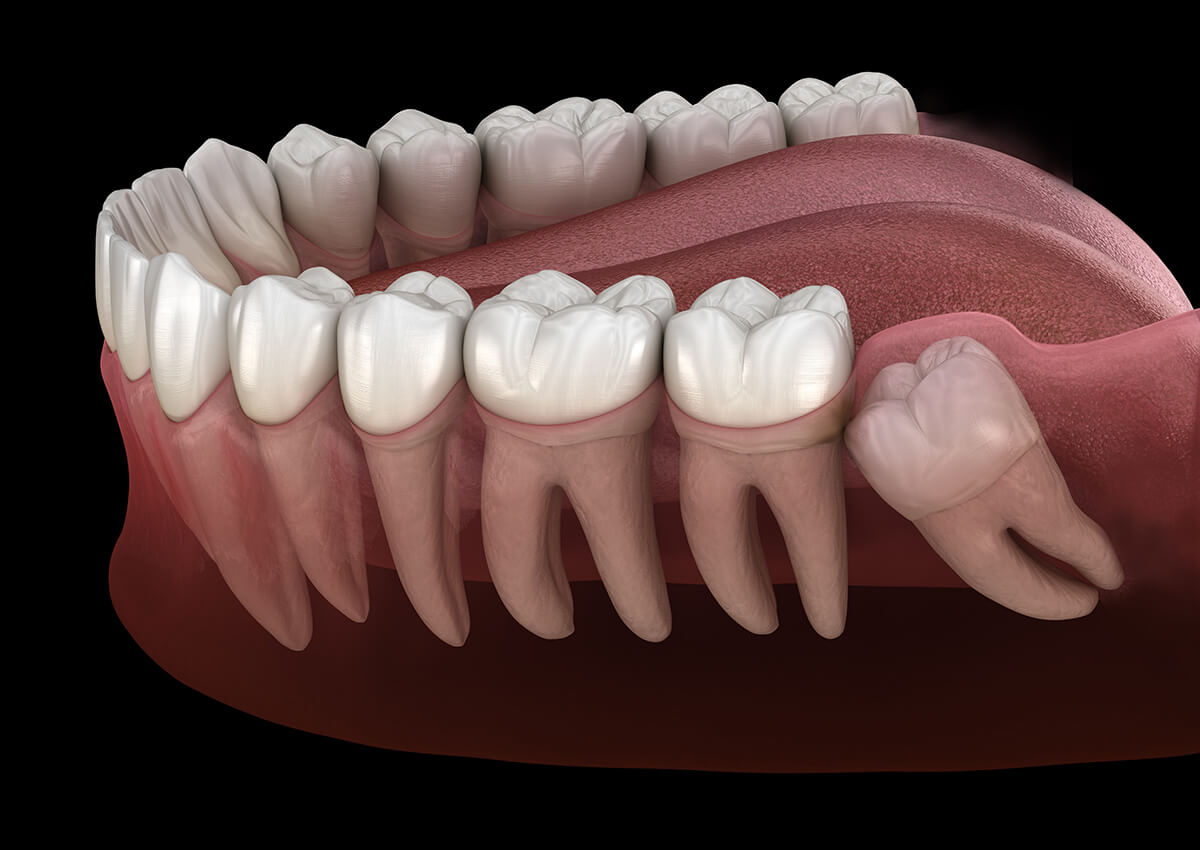
They usually require a small cut in the bone and gum tissue. Wisdom teeth are considered to be the final teeth to come in, and they usually appear at the end of teens or early 20s. For certain people, wisdom teeth come in without causing any problems. For others the wisdom teeth may cause pain, crowding, and swelling. If wisdom teeth get stuck under the gum tissue, the gum tissue or bone, they may need to be extracted. The oral surgeon usually performs wisdom tooth extractions. typically, they require a small incision in the gum tissue and bone. Wisdom tooth extractions are performed in outpatient settings, and patients usually recover in a few days. If the tooth is causing severe pain or infection Wisdom teeth extractions are needed in an emergency.
Wisdom tooth extractions are a routine procedure in dentistry however they aren’t always required. Sometimes, wisdom teeth can remain without any complications. In certain situations it is possible for wisdom teeth to be removed. Below are three signs that wisdom teeth might need to be removed.
1. Wisdom Teeth Impaction: Wisdom teeth may become stuck in jawbone gums, and they won’t emerge properly. This can cause pain, inflammation, and the damage to adjacent teeth. If the wisdom teeth of your child are damaged the dentist may suggest the removal of these teeth to prevent future problems.
2. Wisdom Teeth Cysts are condition that affects wisdom teeth. These cysts can be fluid-filled sacs that can cause damage to the tissues and bone. To stop further damage from occurring Your dentist may suggest the removal of the wisdom tooth cyst.
3. Wisdom Teeth Infection. If your wisdom teeth are infected, it is important to get immediate treatment. Wisdom tooth infections can cause serious harm to the jawbone as well as the surrounding teeth as a result, and an emergency extraction could be necessary to prevent further problems.
These issues can be serious and it is imperative to see a dentist as soon as possible for a diagnosis of whether you need your Wisdom teeth removed.
For more information, click 24 hour dentist edmonton