A car accident can be a scary experience regardless of circumstances. If the vehicle that is involved is not autonomous it can feel deeper. There might be no driver available to speak to there is no quick explanation and there is no way to know who was the person responsible for the decision that caused the accident. The uncertainty could be overwhelming for victims who have been injured.
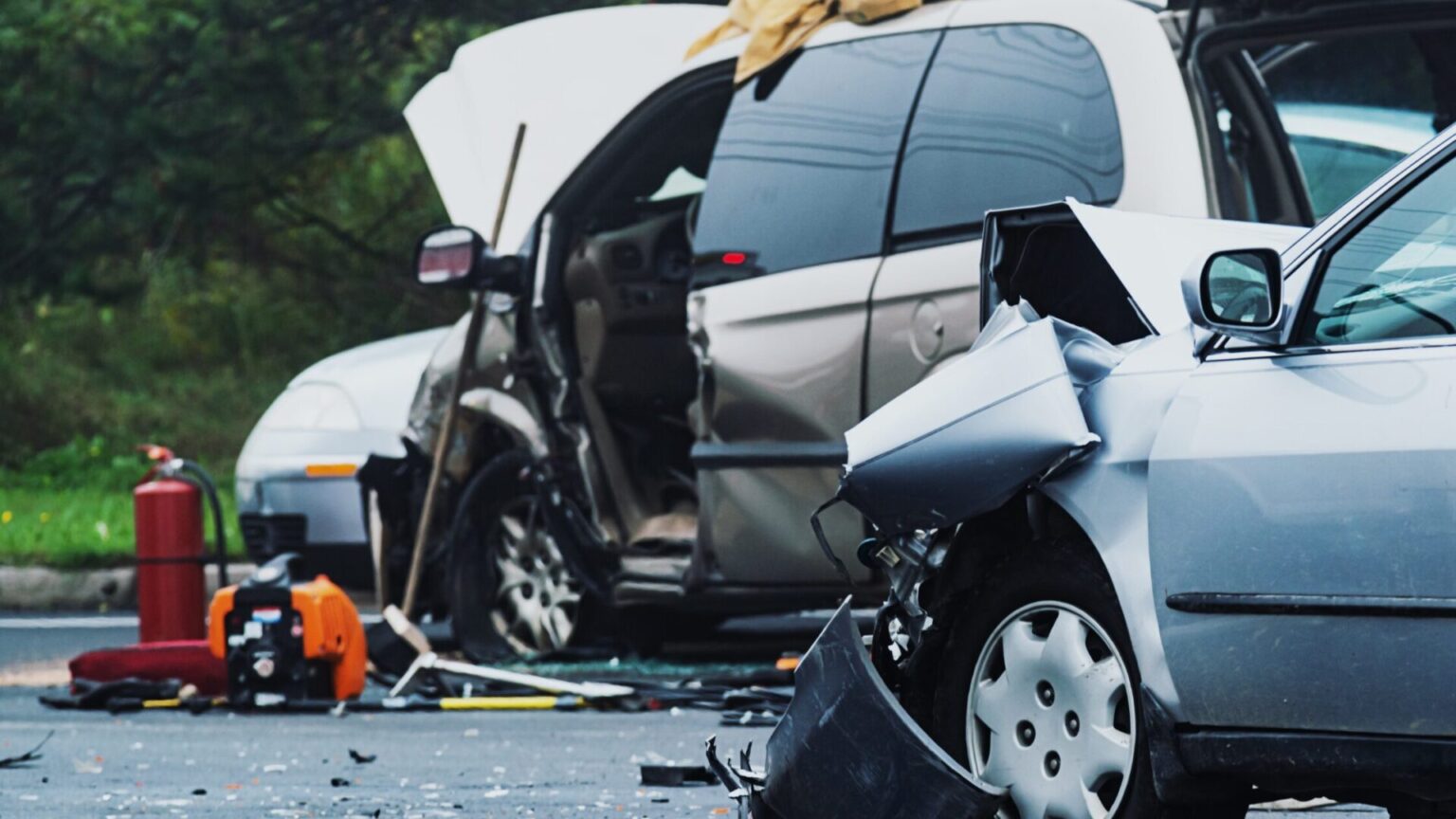
Accidents do happen despite the fact that autonomous vehicles are designed to minimize human error. Responsibility doesn’t go away after an accident but it gets more complicated. It is here that hiring an attorney who is an expert in autonomous self driving vehicles can make all the difference.
Why do crashes that are driverless feel so different
In the majority of traditional automobile accidents, the blame is often due to human mistakes. Someone was distracted, speeding or didn’t obey traffic rules. Autonomous cars operate differently. The decisions are made by software taking in data from cameras, sensors and mapping systems in real-time.
If a driverless auto is unable to make a good decision there is no way to question the human inclination. In the end, only data should be scrutinized. The victims often wonder, what could have caused this to happen in the absence of a driver? Understanding the way that technology management, corporate oversight, and design affect each in the course of driving is key to finding out what transpired.
Unsafe autonomous driving is not only an accident. It’s a failure of technology that has serious human consequences.
Who’s Responsible Following an Autonomous Vehicle Crash
Autonomous cars aren’t completely autonomous even though they operate without the assistance of a driver. They are controlled by multiple parties and the responsibility can fall on any of them.
Fleet owners could be held accountable in the event that they did not properly maintain the vehicle, check its performance, or restrict its use to secure conditions. Manufacturers are accountable when a hardware defect–such as faulty brakes or malfunctioning sensors contributed to the crash. Software developers may be accountable for programming errors, delays on the system, or poor reasoning when making decisions.
In some cases there is still oversight by humans. Remote supervisors or safety operators might have to intervene when systems struggle. Defects at this level can also be liable.
An experienced autonomous self driving vehicle accident attorney understands how to identify all potentially responsible parties instead of stopping at the most obvious explanation.
How these accidents are investigated
Investigations into autonomous accidents rely heavily on data rather than eyewitness accounts by themselves. Vehicles store detailed information about speed and sensor readings, as well as object detection, system alerts, and decision-making processes. These digital records often show what the vehicle “saw” and how it behaved in the moments preceding the crash.
To interpret the data, attorneys work together with engineers and accident reconstruction experts. The objective is to translate the scientific findings into an explanation that explains what happened, and why. It is a lengthy process, but necessary to hold the correct people accountable.
For those who are injured, it could be difficult to pursue a claim if insurance and corporate legal teams get involved early. If they do not have legal aid, victims could face the possibility of delays or settlements that do not reflect their injuries.
Why experience matters in autonomous vehicle cases
Regulations for autonomous vehicles vary according to the state. An attorney who has a thorough knowledge of new technologies and the current legal standards can help you defend your rights under the law as the legal landscape is changing rapidly.
In the case of victims of an autonomous driverless vehicle crash, legal representation is about more than just compensation. It’s all about accountability, clarity and peace of mind in the midst of uncertainty. With the right support patients can focus on healing while professionals address the legal and technical issues.
While autonomous vehicles can be capable of autonomously driving but it’s still the responsibility of people and businesses that created the technology to ensure their safety. Recognizing the causes of accidents is the first step in preventing them.